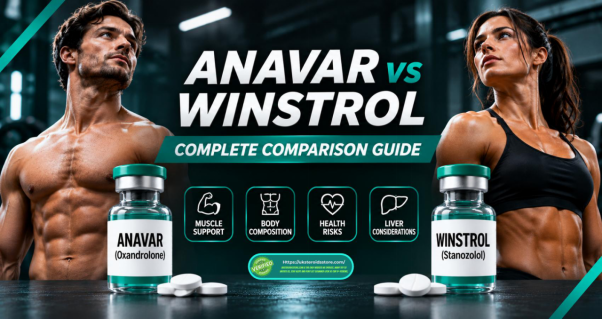
Anavar and Winstrol are two names frequently discussed in conversations about anabolic-androgenic steroids. Their generic names are Oxandrolone and Stanozolol, respectively. Both are synthetic derivatives of testosterone, but they have different pharmacological properties and medical histories.
Although these substances are often discussed in bodybuilding and fitness communities, their use carries significant health considerations. Understanding how they differ, their potential effects on the body, and their associated risks is important when evaluating information about anabolic steroids.
This article examines Anavar and Winstrol from an educational and medical perspective, focusing on their characteristics, differences, potential adverse effects and health considerations.
What Is Anavar (Oxandrolone)?
Oxandrolone, commonly known by its former brand name Anavar, is a synthetic anabolic-androgenic steroid.
It has historically been used in certain medical circumstances, including supporting weight recovery following significant weight loss, surgery, trauma or prolonged illness. Its medical use is subject to prescribing regulations and clinical assessment.
Oxandrolone interacts with androgen receptors and influences protein metabolism. Like other anabolic steroids, it can affect several physiological systems beyond muscle tissue.
Despite its reputation in fitness discussions, Oxandrolone is not free from serious adverse effects. Its potential impact on cholesterol levels, liver function and natural hormonal activity deserves particular attention.
What Is Winstrol (Stanozolol)?
Stanozolol, commonly known as Winstrol, is another synthetic anabolic-androgenic steroid.
It has a history of medical use in specific conditions, although its availability and authorised uses vary by country. It is structurally different from Oxandrolone and has its own pharmacological characteristics.
Stanozolol interacts with androgen receptors and can influence protein synthesis and other metabolic processes.
Its use is associated with several potential health risks, particularly concerning cardiovascular health, cholesterol levels, liver function and hormonal regulation.
The fact that a substance has had medical applications does not mean it is appropriate or safe for non-medical use.
Anavar vs Winstrol: Key Differences
Although both substances belong to the anabolic-androgenic steroid family, they are not identical.
Chemical structure: Oxandrolone and Stanozolol have different molecular structures. These differences influence how they interact with androgen receptors and are processed by the body.
Medical history: Oxandrolone has been used in certain weight-recovery and tissue-related medical circumstances. Stanozolol has also had specific historical medical applications. Their clinical uses should not be confused with non-medical bodybuilding use.
Metabolic effects: Both substances can influence protein metabolism and hormonal activity. Their effects and adverse-event profiles are not interchangeable.
Cholesterol: Both can negatively affect lipid levels. Stanozolol is particularly associated with unfavourable changes in HDL and LDL cholesterol.
Liver considerations: Both substances are orally active, structurally modified anabolic steroids associated with potential liver injury. Liver-related risks should not be underestimated.
These differences demonstrate why the two compounds should not be treated as equivalent or assumed to have predictable effects across individuals.
Potential Health Risks and Side Effects
Anabolic-androgenic steroids can affect multiple organs and body systems. The severity of adverse effects depends on several factors, including individual susceptibility, medical history and exposure.
Potential concerns associated with Oxandrolone and Stanozolol include:
- Changes in cholesterol levels.
- Increased cardiovascular risk.
- Liver injury and abnormal liver-function results.
- Suppression of natural testosterone production.
- Changes in mood and psychological wellbeing.
- Acne and changes in skin condition.
- Hair loss in individuals who are genetically predisposed.
- Changes in reproductive health.
In women, androgenic effects may include menstrual irregularities, increased facial or body hair, voice changes and other signs of virilisation. Some changes, particularly voice deepening, may be irreversible.
In adolescents, exposure to anabolic steroids can interfere with normal growth and development.
Effects on Liver Health and Cholesterol
Liver health and cardiovascular risk are two particularly important considerations when discussing Oxandrolone and Stanozolol.
Both compounds are associated with potential liver toxicity. Oral anabolic steroids with structural modifications that allow oral activity can cause liver-related complications, including cholestatic liver injury.
Possible warning signs of liver problems include:
- Yellowing of the skin or eyes.
- Dark-coloured urine.
- Persistent abdominal discomfort.
- Unusual fatigue.
- Nausea or loss of appetite.
Both compounds can also negatively affect blood lipid profiles.
HDL is commonly described as protective cholesterol, while LDL is associated with increased cardiovascular risk when elevated. Anabolic steroid exposure can reduce HDL and increase LDL, potentially contributing to a less favourable cardiovascular risk profile.
These changes may occur without immediately noticeable symptoms.
Hormonal Effects and Long-Term Considerations
The endocrine system regulates several important functions, including reproductive health, metabolism and natural hormone production.
Exposure to anabolic-androgenic steroids can interfere with the body’s normal hormonal feedback mechanisms.
In men, this may result in suppressed natural testosterone production, reduced sperm production, testicular changes and fertility difficulties.
Hormonal disruption can also affect mood, energy levels and sexual health.
Recovery following exposure is not always immediate or predictable. Some individuals may experience prolonged hormonal disturbances that require medical assessment.
The possibility of long-term consequences is one reason non-medical anabolic steroid use should not be considered risk-free.
Medical Monitoring and Safety Considerations
Anyone who has been exposed to anabolic steroids should discuss relevant health concerns with a qualified healthcare professional.
Depending on the individual’s circumstances, medical assessment may include:
- Liver-function testing.
- Lipid profile assessment.
- Blood pressure monitoring.
- Hormonal evaluation.
- Cardiovascular risk assessment.
- Reproductive health assessment where appropriate.
Medical testing should be interpreted by a qualified professional rather than used independently to determine whether continued exposure is safe.
Symptoms such as chest pain, difficulty breathing, jaundice or severe abdominal pain require prompt medical attention.
There is no reliable way to eliminate the risks associated with non-medical anabolic steroid use.
Frequently Asked Questions
1. Are Anavar and Winstrol the same substance?
No. Anavar is the former brand name associated with Oxandrolone, while Winstrol is associated with Stanozolol. They have different chemical structures and pharmacological characteristics.
2. Can Anavar and Winstrol affect liver health?
Yes. Both are associated with potential liver-related adverse effects. Liver injury can occur, and symptoms may not always appear immediately.
3. Can anabolic steroids affect cholesterol?
Yes. Anabolic-androgenic steroids can negatively affect cholesterol levels, including reducing HDL and increasing LDL. These changes may contribute to cardiovascular risk.
4. Can anabolic steroids affect natural hormone production?
Yes. Exposure can suppress the body’s natural hormone production and interfere with reproductive function. The duration and extent of recovery vary between individuals.
5. Are anabolic steroids safe without medical supervision?
No. Non-medical use can carry significant risks involving cardiovascular health, liver function, hormonal regulation and psychological wellbeing. Medical supervision does not eliminate all potential adverse effects.
Conclusion
Anavar (Oxandrolone) and Winstrol (Stanozolol) are distinct anabolic-androgenic steroids with different chemical structures, pharmacological characteristics and medical histories.
Although they are frequently compared in fitness discussions, neither should be regarded as free from serious health risks. Potential effects on liver function, cholesterol, cardiovascular health and natural hormone production are important considerations.
Understanding these differences requires looking beyond common fitness claims and considering the available medical context. Anyone concerned about anabolic steroid exposure should seek advice from a qualified healthcare professional.