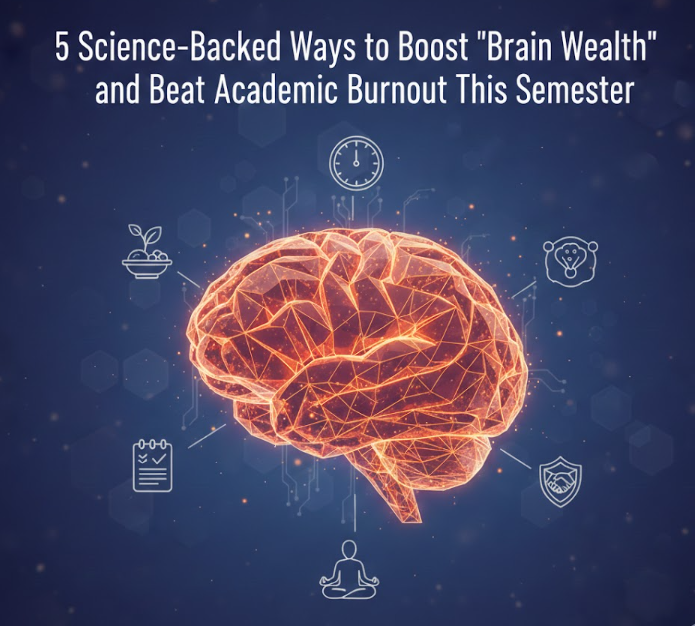
The modern university experience has changed. It is no longer just about attending lectures; it is about managing a relentless 24/7 stream of information, deadlines, and digital notifications. When your cognitive resources are drained, you don’t just feel tired—you experience “Academic Burnout.” To fight this, leading neuroscientists are pointing toward a new concept called Brain Wealth. This isn’t about how much you know; it’s about the health of your mental “assets”—your focus, your memory, and your ability to bounce back from stress.
Protecting your brain wealth requires more than just coffee and all-nighters. It requires a strategic approach to how you handle your workload. For instance, many students in high-pressure medical fields realize that they cannot do everything alone; seeking nursing assignment help from a reputable platform like myassignmenthelp can be a vital wellness strategy to prevent total mental exhaustion. By offloading complex tasks, you preserve your cognitive energy for actual learning rather than just surviving the deadline.
1. Optimize Your Circadian Rhythm for Deep Work
Your brain is not a machine that can run at 100% capacity at any hour of the day. Science shows that our “Executive Function”—the part of the brain responsible for solving complex problems—is tied to our internal clock.
Most students fall into the trap of “revenge bedtime procrastination,” where they stay up late because they felt they had no control over their day. However, research suggests that 90 minutes of “Deep Work” performed in the morning is more effective than five hours of late-night studying. To boost your brain wealth:
- Identify your “Peak Focus Window.”
- Save your hardest tasks (like data analysis or drafting) for that window.
- Keep your environment bright during the day and dim at night to regulate melatonin.
2. Practice “Cognitive Offloading”
One of the fastest ways to go bankrupt in “Brain Wealth” is trying to keep your entire “To-Do” list in your head. This creates a constant background hum of anxiety. Cognitive offloading is the act of using external tools to reduce the demand on your working memory.
When you use planners, apps, or academic consultants, you aren’t being “lazy”—you are being efficient. For those in specialized tracks, learning How to Write a Nursing Care Plan is a perfect example of a complex task that requires immense focus; by using templates or expert guides, you free up mental space to understand the clinical application rather than just the formatting.
3. The Power of Neuro-Nutrition
What you eat literally becomes the fuel for your neurotransmitters. To beat burnout, you need to stabilize your blood sugar. When your glucose levels spike and crash from energy drinks and sugary snacks, your focus crashes with them.

Science suggests a “Mind Diet” rich in:
- Omega-3 Fatty Acids: Found in walnuts and flaxseeds, these repair brain cells.
- Complex Carbohydrates: Oats and brown rice provide a steady stream of energy to the brain.
- Polyphenols: Blueberries and dark chocolate help improve blood flow to the cerebral cortex.
4. Implement “Micro-Recovery” Phases
The “hustle culture” of 2026 tells you to work until you drop. But your brain actually consolidates information during rest. This is known as the Default Mode Network (DMN). When you take a 10-minute walk without your phone, your brain is actually busy organizing the facts you just studied.
Instead of one long break at the end of the day, use the 50/10 Rule: Work for 50 minutes, then completely disconnect for 10 minutes. No TikTok, no emails—just staring out a window or stretching. This prevents “Decision Fatigue,” a major component of academic burnout.
5. Master the Art of “Strategic Outsourcing”
The most successful people in the world don’t do everything themselves; they delegate. In a university setting, this means recognizing which assignments are helping you grow and which are simply busy-work that is draining your health.
If you are a student-athlete, a working parent, or someone tackling a double major, your time is your most precious asset. Using professional consultation for the heavy lifting of research or proofreading isn’t a shortcut—it’s a management decision. It allows you to maintain a high GPA without sacrificing the sleep and social connections that keep you human.
Final Thoughts: Building Your Mental Fortress
Beating academic burnout isn’t about working harder; it’s about building a lifestyle that supports your brain’s natural biology. By focusing on your Circadian rhythm, nutrition, and knowing when to ask for professional help, you aren’t just passing a class—you are investing in your long-term “Brain Wealth.”
This semester, make a pact with yourself: prioritize your mental clarity over your to-do list. When your brain is wealthy, the grades will follow naturally.
Frequently Asked Questions
What are the primary signs of mental fatigue in students?
Common indicators include persistent exhaustion, a lack of motivation to complete simple tasks, difficulty concentrating during lectures, and feeling overwhelmed by standard deadlines. Identifying these early helps in prioritizing recovery before a total collapse in productivity occurs.
Can certain foods really improve cognitive performance?
Yes. Consuming nutrient-dense snacks like walnuts, berries, and complex carbohydrates provides the steady energy required for sustained focus. Avoiding high-sugar treats prevents the “glucose crash” that often leads to brain fog and irritability.
How does sleep impact the ability to retain new information?
Sleep is when the brain consolidates learning and clears out metabolic waste. Even a short period of rest helps stabilize memory and enhances problem-solving skills, making it far more effective than staying awake to study for extended hours.
Is it beneficial to take breaks when facing a tight deadline?
Stepping away for five to ten minutes every hour actually refreshes your mental clarity. These short intervals allow your mind to reset, preventing decision fatigue and ensuring that the quality of your work remains high throughout the day.
About The Author:
Lucy Wilson is a dedicated education strategist and wellness advocate. Writing on behalf of MyAssignmentHelp, Lucy focuses on helping students achieve a healthier balance between their academic goals and personal well-being through practical, science-backed lifestyle changes.